
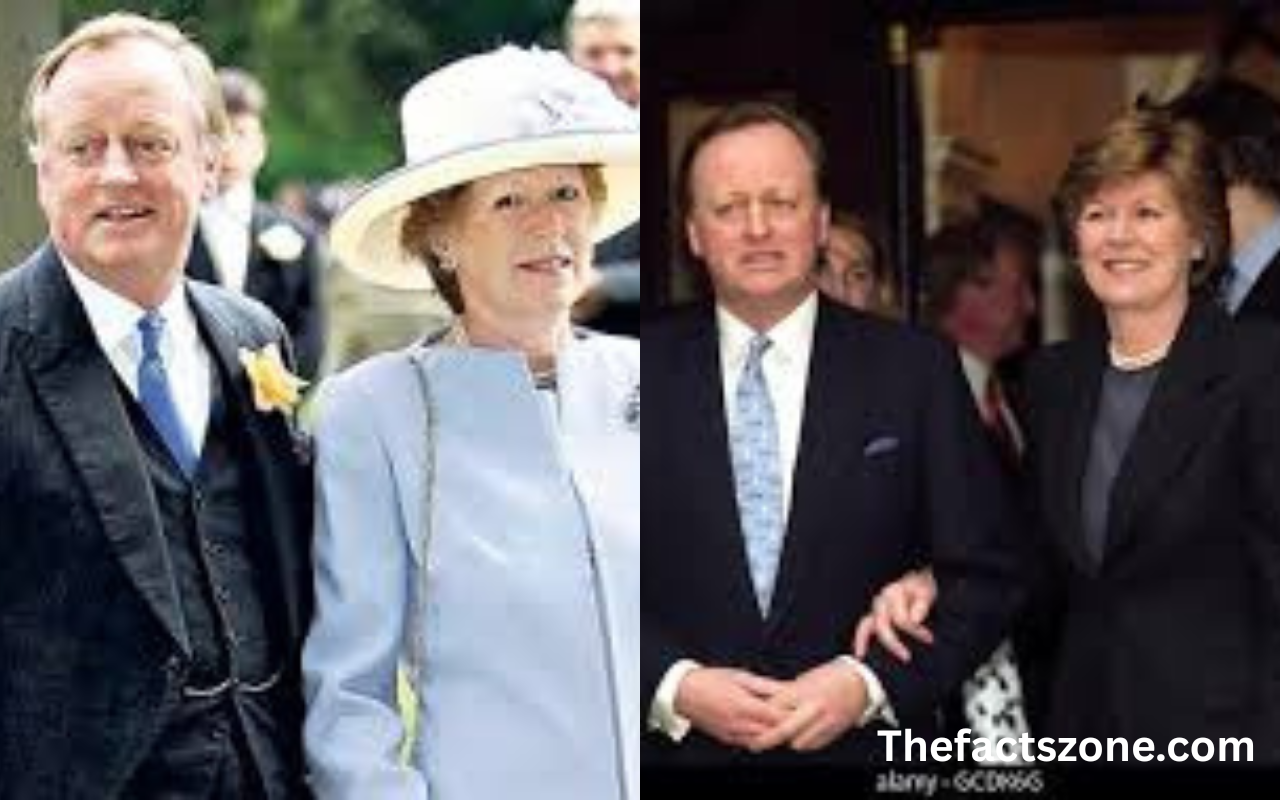
Some people become famous through headlines, controversy, or constant media attention, while others leave a lasting impression through dignity, kindness, and the quiet strength of their character. Rosemary Pitman belonged to the second category. Though many people came to know her because of her marriage to Brigadier Andrew Parker Bowles, the former husband of Queen Camilla, Rosemary’s life was much more than a royal connection. She was a respected garden designer, a devoted mother, a compassionate friend, and a woman admired for her calm and graceful personality.
Her story reflects the beauty of traditional English countryside life mixed with resilience and sophistication. She lived during a period when British high society was changing rapidly, yet she managed to remain grounded in family values, creativity, and personal integrity. Unlike many individuals connected to aristocratic circles, Rosemary never chased public attention. Instead, she focused on meaningful relationships, professional work, and a peaceful lifestyle centered around nature and community.
Even years after her passing, Rosemary Pitman continues to attract interest from readers fascinated by British social history, royal family connections, and inspiring women whose influence came quietly rather than loudly. Her journey offers valuable lessons about dignity, perseverance, and the importance of staying true to oneself regardless of social status or public attention.
Rosemary Pitman Quick Facts
| Full Name | Rosemary Alice Dickinson Pitman Parker Bowles |
|---|---|
| Known As | Rosemary Pitman |
| Date of Birth | 17 June 1940 |
| Age at Death | 69 years old |
| Birthplace | Northumberland, England |
| Nationality | British |
| Profession | Garden Designer |
| Religion | Catholic |
| Famous For | Being the second wife of Andrew Parker Bowles |
| Father | Robert Joicey Dickinson |
| Mother | Alice Penelope Barnett |
| First Husband | Lt.-Col. John Hugh Pitman |
| Second Husband | Brigadier Andrew Parker Bowles |
| Children | Henry, William, and Thomas Pitman |
| Education | St Mary’s School, Ascot |
| Net Worth | Estimated $1–3 million |
| Hobbies | Gardening, horse riding, countryside living |
| Residence | Wiltshire, England |
| Date of Death | 10 January 2010 |
| Cause of Death | Cancer |
| Social Media | No official social accounts |
Early Life and Family Background
Rosemary Pitman was born as Rosemary Alice Dickinson in Northumberland, England, on 17 June 1940. She entered the world during a challenging period in British history, as the country was experiencing the effects of World War II. Despite the uncertainty of the era, Rosemary grew up in a stable and respected family environment that emphasized education, discipline, and traditional British values. Her upbringing played a major role in shaping the elegant and composed personality she later became known for.
Her father, Robert Joicey Dickinson, was a successful businessman, lawyer, and athlete who reportedly competed in the 1924 Olympic Games as a high jumper. Her mother, Alice Penelope Barnett, helped create a warm and cultured household where Rosemary developed an appreciation for beauty, creativity, and refinement. The family belonged to a well-established social background, which gave Rosemary access to quality education and exposure to sophisticated British culture from an early age.
As a child, Rosemary showed a strong interest in nature and outdoor spaces. She enjoyed countryside life and developed a deep emotional connection to gardens, flowers, and rural traditions. Those early experiences would later influence her professional path as a garden designer. Friends and family often remembered her as thoughtful, intelligent, and naturally graceful even in her younger years. Her calm personality and appreciation for simple beauty remained consistent throughout her entire life.
Education and Personal Development
Rosemary received her education at the prestigious St Mary’s School in Ascot, one of England’s respected schools for girls. The institution was known for nurturing discipline, confidence, and refinement among young women from influential British families. Her years there helped shape her polished personality and prepared her for life within elite social circles while also encouraging intellectual and creative growth.
Education for Rosemary was not simply about academic achievement. It also taught her social etiquette, responsibility, and the importance of presenting oneself with dignity. She became known for her elegant manners and composed behavior, qualities that later earned admiration in aristocratic and royal social environments. However, despite the sophistication surrounding her upbringing, Rosemary remained approachable and genuine rather than arrogant or attention-seeking.
During her formative years, Rosemary’s interest in creativity became stronger. She developed an eye for beauty and design, particularly in outdoor spaces and landscapes. Gardening was becoming more than a hobby; it was evolving into a true passion. She admired the balance, calmness, and artistry that gardens could create, and this appreciation eventually became the foundation of her professional career.
Marriage to Hugh Pitman and Family Life
In 1961, Rosemary married Lieutenant-Colonel John Hugh Pitman, a man descended from Sir Isaac Pitman, the inventor of Pitman shorthand. Their marriage represented the beginning of a major chapter in Rosemary’s life as she transitioned into adulthood, motherhood, and military family life. The relationship placed her within the disciplined and structured world of British army culture, where adaptability and resilience were essential qualities.
The couple had three sons together: Henry John Pitman, William Hugh Pitman, and Thomas Edward Pitman. Rosemary was known as a caring and devoted mother who prioritized her children’s well-being and upbringing. Family members later described her as deeply supportive, loving, and actively involved in her children’s lives. Her home environment reflected warmth, discipline, and traditional family values.
Military life often involved relocation and adjustment, but Rosemary handled those challenges gracefully. She spent many years living in Wiltshire and became deeply involved in local village life and countryside traditions. Although her marriage to Hugh Pitman eventually ended in divorce, the experience shaped much of her identity and personal growth. It also strengthened her resilience and independence as she continued building her own professional reputation and personal life.
Important Family Details
- Rosemary had three sons from her first marriage.
- She remained close to countryside community life.
- Her family remembered her as warm, supportive, and elegant.
Career as a Professional Garden Designer
One of the most admirable aspects of Rosemary Pitman’s life was her successful work as a professional garden designer. Unlike many women associated with aristocratic circles, she built her own identity through talent, creativity, and dedication rather than relying entirely on social connections. Gardening became both her profession and her lifelong passion.
Rosemary specialized in traditional English garden aesthetics, creating spaces that combined elegance, harmony, and natural beauty. Her work reflected the timeless charm of the British countryside, where gardens are often viewed as artistic extensions of the home itself. She reportedly won recognition and awards for her gardening expertise, earning respect from people who appreciated landscape design and horticulture.
Her son Henry once described gardening as her “great passion,” emphasizing how deeply connected she was to nature and outdoor creativity. Rosemary approached gardening with patience and artistic sensitivity. She understood how plants, flowers, and landscapes could influence emotions and create peaceful environments. Even after becoming connected to high-profile social circles, she continued focusing on gardening and countryside life rather than celebrity culture.
Why Her Gardening Career Was Special
- She worked professionally rather than casually.
- Her designs reflected classic English elegance.
- Gardening remained central to her identity throughout life.
Marriage to Andrew Parker Bowles
Rosemary Pitman gained wider public recognition after marrying Brigadier Andrew Parker Bowles in 1996. Andrew was previously married to Camilla Parker Bowles, who later became Queen Camilla after marrying King Charles III. Because of Andrew’s royal connections and social prominence, the marriage naturally attracted media curiosity and public attention.
Despite the interest surrounding their relationship, Rosemary and Andrew maintained a relatively private and dignified life together. Their marriage appeared to be based on companionship, mutual respect, and shared values rather than public image or social spectacle. Friends often described their relationship as affectionate and stable. Rosemary handled the increased media attention with remarkable composure and never appeared interested in exploiting royal connections for fame.
The couple spent much of their married life in Wiltshire, enjoying traditional countryside living. Rosemary became actively involved in village activities and community life while continuing her gardening interests. Unlike many people connected to royal circles, she preferred a peaceful and private lifestyle focused on meaningful relationships and personal fulfillment rather than constant publicity.
Personality, Interests, and Daily Life
One reason Rosemary Pitman remains admired today is the authenticity of her personality. She was frequently described as compassionate, elegant, intelligent, and quietly humorous. People appreciated her ability to remain calm and gracious regardless of the situation. Her natural warmth helped her form lasting friendships and maintain strong family relationships throughout her life.
Rosemary loved countryside traditions and outdoor activities. Gardening remained her greatest passion, but she also enjoyed horse riding and rural community life. She found peace and happiness in nature rather than in glamorous social events. Her appreciation for simple pleasures gave her life a sense of balance and emotional depth that many people found inspiring.
Religion and traditional values also played a role in shaping Rosemary’s outlook on life. She reportedly followed the Catholic faith and approached life with discipline, humility, and emotional resilience. Even while connected to elite British society, she remained grounded and approachable. This balance between sophistication and simplicity became one of her defining qualities.
Rosemary’s Personal Interests
- Garden design and flowers
- Horse riding and countryside activities
- Community involvement and family gatherings
Health Struggles and Final Years
In the later years of her life, Rosemary Pitman faced one of her greatest personal challenges when she was diagnosed with cancer. Reports indicate that she underwent serious medical treatment, including chemotherapy and radiotherapy. The illness tested her physical and emotional strength, yet those around her admired the courage and dignity she displayed throughout the difficult period.
Family members and close friends later spoke about her resilience during her illness. Even while battling cancer, Rosemary reportedly remained caring, composed, and emotionally strong. She continued focusing on loved ones and maintaining her graceful personality despite the pain and uncertainty she faced. Her bravery during these years became one of the most respected aspects of her legacy.
Rosemary passed away on 10 January 2010 at the age of 69. Her death deeply affected her family, friends, and members of British social circles who had known and admired her for decades. Many remembered her not for fame or public attention, but for her kindness, elegance, and quiet strength during both happy and difficult moments in life.
Net Worth and Lifestyle
Although Rosemary Pitman’s exact financial details were never publicly disclosed, she was believed to have lived comfortably due to her respected family background, professional work, and connections within British high society. Various estimates place her net worth between $1 million and $3 million, though no official figure was ever confirmed publicly.
Her income sources likely included family wealth, property interests, and earnings from her gardening career. However, Rosemary never projected an image of excessive luxury or celebrity extravagance. Instead, her lifestyle reflected understated elegance and traditional British refinement. She valued quality, culture, and peaceful living rather than material display.
Much of her life revolved around countryside homes, family activities, and gardening. She appreciated beauty and sophistication but expressed those qualities through simplicity rather than glamour. This balanced lifestyle contributed to the respect she received from people who admired authenticity over social performance.
Social Media and Public Influence
Rosemary Pitman belonged to a generation that lived largely outside the world of social media. As a result, she never maintained public Instagram, Twitter, Facebook, or LinkedIn accounts. Her reputation was built through personal relationships, professional respect, and social presence rather than digital influence.
Even today, however, interest in Rosemary continues online because of her connection to British royal history and her own inspiring personality. Articles, biographies, and royal documentaries frequently mention her life, especially when discussing Andrew Parker Bowles and Queen Camilla. Readers remain fascinated by her ability to remain dignified and private despite public curiosity surrounding her marriage.
In many ways, Rosemary’s story feels refreshing in today’s celebrity-driven culture. She demonstrated that influence does not always require constant online visibility. Her quiet grace, professional dedication, and personal strength left a lasting impression without relying on self-promotion or public drama.
Legacy and Lasting Impact
Rosemary Pitman’s legacy extends far beyond her connection to British aristocracy. She represented a timeless form of elegance built on kindness, resilience, creativity, and emotional strength. Her life demonstrated that dignity and authenticity often leave stronger impressions than fame or public recognition.
As a professional garden designer, she contributed to the tradition of classic English landscape artistry. As a mother and wife, she created a loving and supportive environment for her family. As an individual, she inspired admiration through her calm personality and graceful handling of both privilege and hardship.
Even years after her passing, Rosemary’s story continues to resonate with readers who appreciate meaningful lives lived with purpose and humility. Her journey reminds people that true influence often comes quietly through compassion, dedication, and integrity rather than through constant attention or publicity.
Conclusion
Rosemary Pitman lived a life defined by grace, resilience, creativity, and quiet strength. From her early upbringing in Northumberland to her respected work as a garden designer and her later years within British high society, she remained deeply connected to family values, countryside traditions, and personal authenticity. She showed that elegance is not about fame or attention, but about kindness, dignity, and the way a person treats others throughout life.
Although many first learned about Rosemary through her marriage to Andrew Parker Bowles, her personal achievements and character made her far more than a royal connection. She balanced sophistication with humility, professionalism with warmth, and public attention with remarkable privacy. Her courage during illness further strengthened the admiration people felt toward her.
As Rosemary Pitman’s story continues to inspire readers around the world, her life stands as a reminder that perseverance, compassion, and passion can create a meaningful and lasting legacy. In a world often focused on noise and publicity, Rosemary’s journey proves that quiet strength and genuine character remain among the most powerful qualities a person can possess.