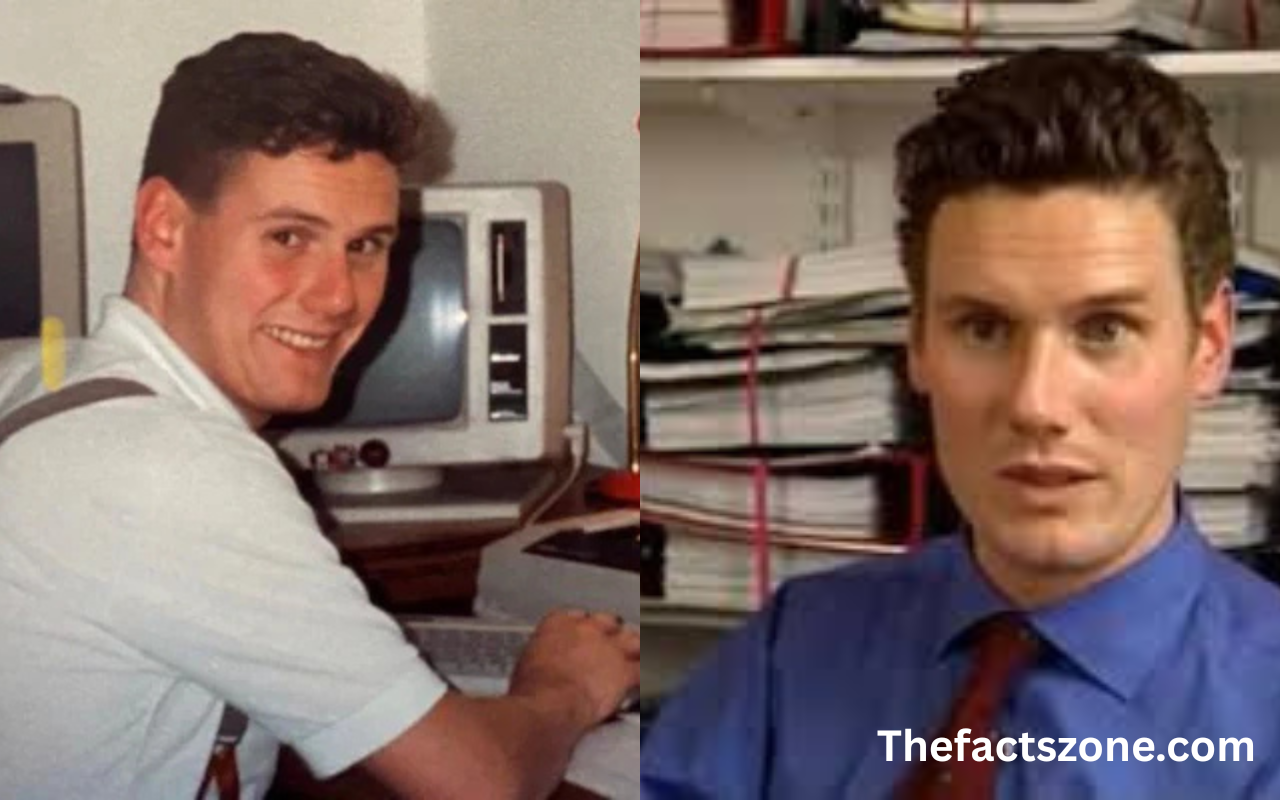
When people search for “Keir Starmer young,” they are often trying to understand the man behind the modern political image—the serious lawyer, the Labour leader, and now the Prime Minister of the United Kingdom. Before the speeches in Parliament, before Downing Street, and before leading one of Britain’s biggest political victories, Keir Starmer was simply a young boy growing up in a modest family with strong values and limited privilege.
Table of Contents
ToggleHis early life tells an important story. It explains why he speaks so often about working families, public services, fairness, and opportunity. Unlike many public figures raised around power and privilege, Starmer’s upbringing was grounded in ordinary life. His father worked with his hands in a factory, and his mother served others through the NHS. Their influence built the foundation of his political thinking and personal discipline.
Understanding Keir Starmer young helps us understand the leader he became. His journey was not built on fame or celebrity, but on education, hard work, and a long career in law before politics. His rise shows how quiet consistency can sometimes be stronger than loud ambition.
Quick Facts About Keir Starmer
| Full Name | Keir Rodney Starmer |
|---|---|
| Popular Name | Keir Starmer |
| Date of Birth | 2 September 1962 |
| Age | 63 years (as of 2026) |
| Birthplace | Southwark, London, England |
| Raised In | Oxted, Surrey, England |
| Nationality | British |
| Profession | Politician, Barrister, Former Prosecutor |
| Current Position | Prime Minister of the United Kingdom |
| Political Party | Labour Party |
| Father | Rodney Starmer |
| Mother | Josephine Starmer |
| Siblings | Three siblings |
| Education | Reigate Grammar School, University of Leeds, University of Oxford |
| Spouse | Victoria Starmer |
| Children | Two |
| Estimated Net Worth | $7–10 million (estimated) |
| X (Twitter) | @Keir_Starmer |
| No major official personal account | |
| Not publicly active |
A Working-Class Childhood With Strong Family Values
Keir Rodney Starmer was born on 2 September 1962 in Southwark, southeast London, but he spent much of his childhood in Oxted, Surrey. He was the second of four children in a family that believed strongly in work, responsibility, and fairness. His father, Rodney Starmer, worked as a toolmaker in a factory, while his mother, Josephine, worked as a nurse in the National Health Service.
Life at home was not always easy. His mother suffered from Still’s disease, a painful long-term illness that caused serious health problems throughout her life. Watching her struggle with illness and depend on public healthcare deeply influenced Starmer’s understanding of the NHS and the importance of public service. He has often said these experiences helped shape his political values and his belief in fairness for ordinary families.
His parents were Labour supporters, and family stories suggest he was named after Keir Hardie, one of Labour’s founding political figures. Whether fully true or not, the story reflects the political environment he grew up in. Politics was not distant in his home—it was part of everyday values and conversation.
School Life and the Importance of Education
Education became one of the most important parts of Keir Starmer young years. He passed the 11-plus exam and earned a place at Reigate Grammar School, which was originally a selective grammar school. During his time there, the school changed into an independent fee-paying school, creating financial pressure for his family. However, through bursary support, he was able to stay and complete his education.
At school, Starmer was known for being serious, hardworking, and focused. He studied mathematics, music, and physics for his A-levels—an unusual combination that showed both analytical thinking and creativity. He was not the loudest student in the room, but he was disciplined and highly committed to learning.
Interestingly, music was a major part of his youth. He won a junior exhibition place at the Guildhall School of Music and Drama and played instruments including flute, piano, violin, and recorder until the age of 18. This musical side of young Keir Starmer reveals a thoughtful and artistic personality that many people do not immediately associate with modern politics.
University Life and Becoming the First Graduate in the Family
One of the biggest milestones in Keir Starmer’s youth was becoming the first person in his family to attend university. This was not just a personal achievement—it represented social mobility and the kind of opportunity he later argued should be available to everyone.
He studied law at the University of Leeds, where he joined the university Labour Club and became even more interested in political ideas and social justice. He graduated in 1985 with a first-class law degree, proving himself academically at the highest level.
After Leeds, he continued postgraduate legal studies at University of Oxford, completing a Bachelor of Civil Law degree. These years were crucial because they gave him both professional direction and stronger political awareness. Law became the bridge between his beliefs and his future career.
Teenage Politics and Early Political Beliefs
Long before Parliament, Starmer was already involved in politics. At just 16 years old, he joined the Labour Party Young Socialists, showing early interest in political ideas and workers’ rights. This was not a sudden career move later in life—it was a long-term commitment that started in his teenage years.
During university, he stayed politically active and became involved with Labour student politics. In the late 1980s, he also worked as an editor for Socialist Alternatives, a left-wing political magazine connected to broader socialist debates of the time. This period is often discussed because it shows that young Starmer was deeply engaged in political theory and activism.
Although his public image today is more moderate and cautious, his younger years show a strong passion for reform and social justice. His politics were shaped not by slogans, but by serious study, legal thinking, and exposure to inequality.
Building a Career in Law Before Politics
Unlike many politicians who enter Parliament early, Starmer spent decades building a legal career first. After qualifying as a barrister in 1987, he specialized in human rights law and criminal justice. His work focused on serious public-interest cases rather than media attention.
He became known for defending civil liberties, handling major criminal justice issues, and working on human rights cases both in Britain and internationally. His professional reputation was built through careful legal work, not television fame. This gave him credibility that later helped him in politics.
In 2008, he became Director of Public Prosecutions and head of the Crown Prosecution Service, one of the most senior legal roles in the country. He served until 2013 and was later knighted for services to criminal justice. That is why he officially carries the title “Sir.”
Entering Politics and Rising to National Leadership
Keir Starmer entered Parliament in 2015 as the Member of Parliament for Holborn and St Pancras. Compared to many politicians, he arrived relatively late, but he brought decades of legal experience with him. That instantly made him influential on issues of law, justice, and government reform.
He quickly moved into major party roles, especially during the difficult Brexit years. His calm and methodical style stood out during a period of emotional political division. While others dominated headlines with louder performances, Starmer built authority through discipline and legal precision.
In 2020, he became leader of the Labour Party. His task was difficult: rebuild public trust, repair internal divisions, and convince the country Labour could govern again. In 2024, after a major general election victory, he became Prime Minister of the United Kingdom.
Personal Life, Family, and Private Character
Despite being one of Britain’s most recognizable politicians, Starmer is known for protecting his private family life. He is married to Victoria Starmer, and they have two children. His wife has largely remained outside political spotlight, helping keep family life separate from public office.
He often speaks about how his parents shaped him. His mother’s NHS work and health struggles continue to influence his views on healthcare policy, while his father’s factory work shaped his views on working-class dignity and economic fairness.
People close to him often describe him as disciplined, routine-driven, and serious, but also deeply loyal and private. He is also a strong supporter of Arsenal F.C., a small detail that gives people a more relatable view of him beyond politics.
Net Worth and Sources of Income
Keir Starmer’s estimated net worth is believed to be between $7 million and $10 million, although exact figures vary depending on reporting sources. His financial position mainly comes from his legal career and senior public service roles rather than celebrity business ventures.
As a successful barrister and later Director of Public Prosecutions, he earned a strong professional income long before becoming a politician. His later salary as MP, Labour leader, and Prime Minister also contributes to his finances.
Unlike entertainment celebrities, his wealth is associated with law, government, and long-term professional service. His public image remains focused on duty and leadership rather than luxury or personal branding.
Social Media Presence and Public Communication
Keir Starmer uses social media mainly for political communication rather than personal lifestyle content. His strongest public platform is X (formerly Twitter), where he shares government updates, speeches, campaign messages, and policy priorities.
He is not known for influencer-style content or highly personal online sharing. This reflects his overall public personality—formal, serious, and focused on issues rather than personal image. His digital strategy is built around trust and credibility.
In modern politics, social media often rewards entertainment, but Starmer’s approach is different. He uses it more like a public office tool than a personal brand platform, which matches the disciplined image he built over decades.
Recent Updates and Future Political Goals
As of 2026, Prime Minister Keir Starmer remains one of the most closely watched leaders in Europe. His government continues to face major challenges involving the economy, NHS reform, defence spending, housing, and Britain’s international relationships.
Recent political pressure around the Peter Mandelson ambassador controversy has created intense national debate, placing his leadership under fresh scrutiny. Reports show he defended his position while parliamentary questions and public criticism increased.
Even during political pressure, his long-term goal appears clear: to rebuild trust in government and leave behind a reputation for competence, stability, and fairness. His leadership is being judged not just by elections, but by whether people feel public institutions work better under his government.
Final Thoughts
The story of Keir Starmer young is not one of instant fame or dramatic overnight success. It is the story of a boy from an ordinary family who believed education could change lives, who watched his parents work hard, and who turned those lessons into a lifelong commitment to justice and public service.
His early years explain the values he still speaks about today—fairness, discipline, opportunity, and responsibility. From a modest home in Surrey to the highest office in British politics, his path shows that leadership is often built quietly, long before the world notices.
As Keir Starmer continues to shape Britain’s future, his story stands as a reminder that resilience, education, and purpose can build a lasting legacy. His journey proves that ordinary beginnings can lead to extraordinary responsibility when guided by determination and principle.