Introduction
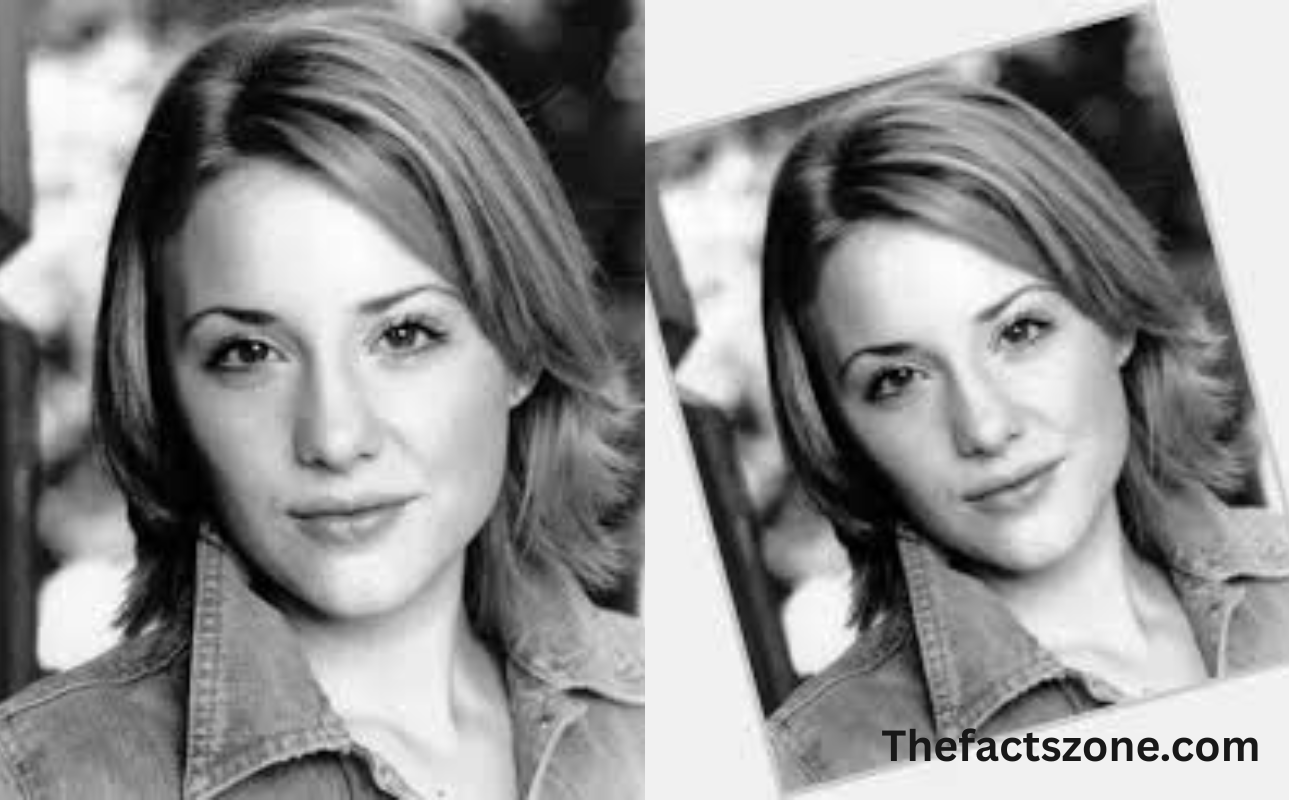
Some people become famous because they follow the rules of their industry, while others become unforgettable because they break them. Fiona Richmond belongs to the second group. She emerged during the bold and changing cultural atmosphere of 1970s Britain and quickly became one of the most recognizable glamour models, actresses, and media personalities of her generation. Her confidence, beauty, and fearless public image turned her into a national talking point and made her one of the defining celebrity figures of that era.
Table of Contents
ToggleBorn as Julia Rosamund Harrison, Fiona Richmond transformed herself from a quiet girl raised in Norfolk into one of Britain’s best-known sex symbols. She was more than just a glamour model—she was also an actress, author, radio personality, columnist, and businesswoman. Her career stretched far beyond magazine covers and film posters, showing a woman who understood media and knew how to stay relevant in a changing entertainment world.
Even today, Fiona Richmond remains a fascinating name in British pop culture history. Her life story reflects ambition, reinvention, and independence. From her early life to her relationship with Paul Raymond, from films and books to business ventures and private family life, her journey continues to attract readers who want to understand the woman behind the headlines. Fiona Richmond was born on 2 March 1945 in Hilborough, Norfolk, and became one of Britain’s best-known glamour figures of the 1970s.
Fiona Richmond Quick Facts
| Full Name | Julia Rosamund Harrison |
|---|---|
| Popular Name | Fiona Richmond |
| Date of Birth | March 2, 1945 |
| Age | 81 years old (as of 2026) |
| Birthplace | Hilborough, Norfolk, England |
| Nationality | British |
| Profession | Actress, Glamour Model, Writer, Media Personality |
| Famous For | 1970s glamour modeling, films, Men Only magazine |
| Father | A vicar |
| Mother | Not publicly known |
| Siblings | Not widely documented |
| Marital Status | Divorced |
| Ex-Spouse | James Montgomery |
| Children | 1 daughter |
| Notable Films | History of the World: Part I, Eat the Rich, Fiona |
| Estimated Net Worth | $2 million – $4 million (estimated) |
| No official public account | |
| Twitter/X | No verified account |
| Not publicly active |
Early Life and Family Background
Fiona Richmond was born in Hilborough, Norfolk, England, in a rectory, and she grew up in a traditional and disciplined environment. She was the daughter of a vicar, which made her later public image even more surprising to many people during the 1970s. Her early life was far removed from the glamorous and controversial image that would later define her career. This contrast became one of the most talked-about parts of her public story.
As a young woman, she was ambitious and wanted something bigger than a quiet rural life. Although she qualified for university, she chose a different path and decided to audition for drama schools because she wanted to become an actress. This decision showed her early determination to build a life on her own terms rather than simply follow expectations. It was the first major turning point in her personal journey.
Before entering show business, Fiona worked in several ordinary but important jobs. She worked as an air stewardess, later as a nanny for actress Diane Cilento, and also as a Playboy Club croupier. These jobs gave her confidence, independence, and experience dealing with people from different backgrounds. Long before fame arrived, she had already learned how to handle public attention and professional pressure.
Education and Personal Development
Although detailed records of Fiona Richmond’s formal education are limited, it is clear that she was intelligent, sharp, and highly self-aware. Her writing career, interviews, and media appearances showed strong communication skills and a confident personality. She understood how to present herself and how to use public attention to her advantage, which became one of her greatest strengths.
Instead of following a traditional academic path, much of Fiona’s learning came from real-world experience. Working in travel, hospitality, and entertainment exposed her to different people, lifestyles, and opportunities. This helped shape her personality into someone bold, socially skilled, and comfortable in high-pressure environments. She learned how fame worked before she fully entered it.
She often presented herself as someone fully in control of her decisions. In later interviews, she made it clear that she never saw herself as a victim of the industry. She believed she was an independent woman making her own choices, and that mindset became a major part of how audiences remembered her. Her confidence became just as famous as her beauty.
Career Beginnings and Rise to Fame
Fiona Richmond’s big breakthrough came in 1970 when she auditioned for the nude farce Pyjama Tops at London’s Whitehall Theatre. It was during this time that she met Paul Raymond, one of the most powerful figures in British adult entertainment. This meeting changed the direction of her life and career permanently.
She became closely associated with Raymond’s entertainment empire, including the famous Raymond Revuebar in Soho. Through stage performances, glamour photography, and media appearances, Fiona quickly became a rising public figure. Her striking appearance and fearless confidence made her stand out in a competitive industry. She was no longer simply an aspiring actress—she had become a major celebrity personality.
Her regular features and columns in Men Only magazine made her even more famous. Readers followed her glamorous image and provocative writing, and she soon became one of Britain’s most recognized glamour icons. During the 1970s, she was widely seen as a national sex symbol and was described as one of the “two hottest British sex film stars of the seventies.”
Acting Career and Major Film Success
Fiona made her film debut in Not Tonight, Darling (1971), where she appeared under the name Amber Harrison. This marked the beginning of her screen career and opened the door to more film roles. She quickly became known in British comedy and adult-themed cinema, which was especially popular during that period.
She later appeared in films such as Exposé (1976), Hardcore (released in the United States as Fiona) in 1977, and Let’s Get Laid. These films helped build her image as both a glamour figure and a recognizable actress. Hardcore was especially notable because it presented a fictionalized version of her life as a 1970s sex symbol, making her public identity even stronger.
One of her best-known mainstream appearances came in Mel Brooks’ History of the World, Part I (1981), where she played the Queen of France. She also appeared in Eat the Rich. These projects helped show that she could work beyond glamour-based productions and remain part of wider entertainment history.
Writing, Radio, and Media Influence
Fiona Richmond’s career was never limited to modeling and acting. She also became a successful writer and radio personality, proving she had much more to offer than public image alone. She worked as a sex adviser on London Broadcasting Company radio in 1974, openly discussing topics that many people still considered taboo at the time.
Her confidence on radio helped expand her reputation beyond film and magazine fame. She became known as someone who could speak honestly and directly, which made her popular with audiences who appreciated her openness. She also collaborated with Anthony Newley on the spoken-word album Frankly Fiona, adding another creative project to her growing media profile.
She later wrote more than twelve books, including On the Road, Galactic Girl, From Here to Virginity, and her autobiography Tell Tale Tits. These books gave readers a deeper look into her life and personality. Writing allowed her to control her own story rather than let the media define it for her.
Personal Life and Relationships
One of the most famous relationships in Fiona Richmond’s life was with Paul Raymond. Their romance lasted from 1970 until 1977, and together they became one of Britain’s most talked-about celebrity couples. Their glamorous public image, wealth, and constant media attention made them a major symbol of the era. Raymond even gifted her a yellow Jaguar E-Type that became famous in London nightlife circles.
Despite Raymond’s wealth and influence, Fiona later explained that she valued independence more than luxury. She chose to leave that lifestyle because she did not want to live according to someone else’s expectations. This decision revealed an important part of her personality—she wanted freedom, not just fame.
She later married television producer James Montgomery in 1983. They had one daughter, Tara, and Fiona gave birth at age 39. Their marriage lasted until 1998. By this stage of life, she had moved toward a quieter, more private lifestyle focused on family, business, and personal stability rather than celebrity headlines.
Business Ventures and Life Beyond Fame
After stepping away from show business, Fiona Richmond successfully reinvented herself once again. She retired from entertainment and moved into business, running a fashion company and working as a journalist. This shift showed that she was never dependent on fame alone and understood how to build long-term security.
She later became a hotelier with her partner Peter Pilbrow. Together they owned and managed the Petit Bacaye Cottage Hotel in Grenada and also ran “The Onion Store,” a bed and breakfast house in Hampshire. This new chapter of life was much quieter but equally meaningful, allowing her to focus on lifestyle, hospitality, and personal freedom.
She also became involved in charity work, including fundraising for Gift Grenada. This part of her life is often overlooked, but it reflects a more personal and grounded side of her character. Moving away from celebrity and toward community work showed another layer of who Fiona Richmond really was.
Net Worth and Income Sources
Fiona Richmond’s estimated net worth is believed to be between $2 million and $4 million, although exact financial records are private. Her wealth was built over decades through multiple income streams rather than a single major success. This long-term stability reflects smart planning and career flexibility.
Her earliest earnings came from theatre performances, glamour modeling, magazine work, and film roles. During the 1970s and 1980s, she was one of the most recognizable public figures in British adult entertainment, and that visibility likely brought strong commercial success. Magazine columns, public appearances, and publishing also contributed to her income.
Later in life, her hospitality businesses and book sales added more financial security. Running hotels and bed-and-breakfast properties created stable long-term income outside entertainment. Her career proves that smart reinvention can often be more valuable than short-term fame.
Social Media Presence and Public Image Today
Unlike modern celebrities, Fiona Richmond became famous long before Instagram, Twitter, or YouTube existed. As a result, she does not maintain official verified social media accounts today. Her legacy lives mostly through films, archived interviews, biographies, and documentaries rather than daily online updates.
This absence from social media has actually added to her mystery and lasting appeal. Younger audiences often discover her through retro film history, British celebrity documentaries, and articles about 1970s glamour culture. Her fame belongs to an older media world built on newspapers, magazines, cinema, and television.
Even without a strong online presence, her name still carries cultural importance. She remains part of conversations about media history, women in entertainment, and celebrity culture in Britain. Her story continues to attract interest because it represents a major shift in how fame and female identity were publicly discussed.
Conclusion
Fiona Richmond’s life story is far more than glamour headlines and magazine covers. From a quiet childhood in Norfolk to becoming one of Britain’s most recognizable public figures, she built a career based on confidence, independence, and reinvention. She refused to let others define her path and instead created her own place in entertainment history.
She succeeded in acting, writing, radio, publishing, and business, proving that lasting influence comes from adaptability, not just popularity. Her personal choices—especially her decision to leave fame behind for a quieter and more independent life—show real strength and self-awareness.
As Fiona Richmond continues to remain a memorable figure in British entertainment history, her story stands as a reminder of how resilience and purpose can shape a meaningful legacy. Her journey inspires readers to think beyond labels and to recognize that true success often comes from staying authentic, evolving with courage, and choosing your own direction.