
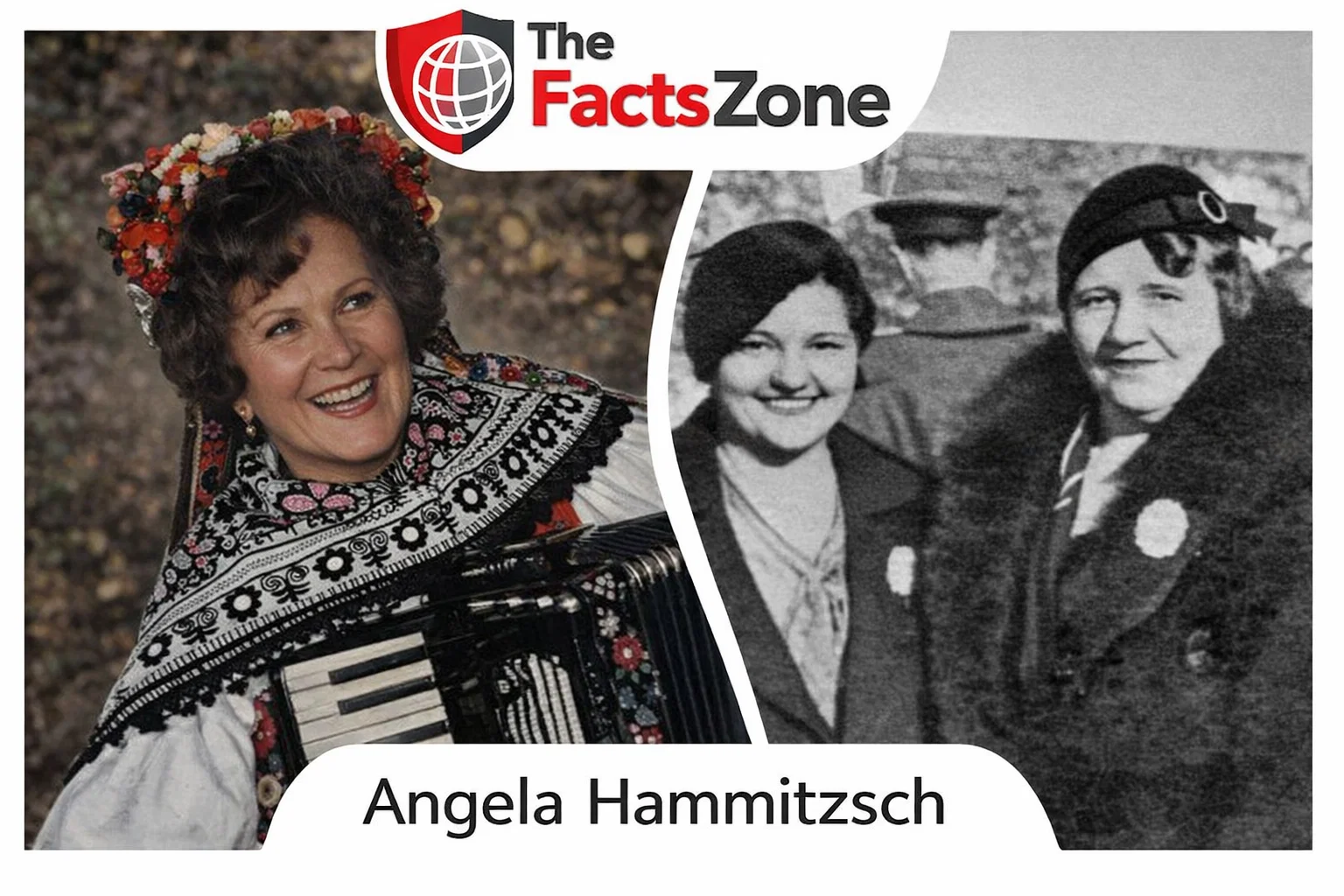
Angela Franziska Johanna Hammitzsch, born Angela Hitler, was a central figure in the Nazi family’s tumultuous history. The elder half-sister of Adolf Hitler, Angela was born on July 28, 1883, in Braunau am Inn, Austria-Hungary. Despite her close familial ties to one of the most infamous figures in modern history, Angela’s life was largely removed from the public eye. She was not involved in the political machinations of the Nazi regime, yet her personal story, her relationship with her half-brother, and the tragic events surrounding her daughter, Geli Raubal, have sparked significant historical interest. This article delves into her early life, family dynamics, relationships, and her life during and after World War II.
Early Life and Family Background
Angela Hitler was born to Alois Hitler and his second wife, Franziska Matzelsberger. Alois was a senior customs official, and Angela’s mother tragically passed away shortly after Angela’s birth, leaving her father to raise her in a strict and authoritarian environment. Angela had one full sibling, Alois Jr., and a half-sibling, Adolf Hitler, born six years later. Although they shared the same father, Angela and Adolf were raised under very different circumstances.
Adolf, after losing his mother, would grow up to become the leader of Nazi Germany, while Angela was caught in the middle of an authoritarian family dynamic. Historical records suggest that she had a complicated, yet close relationship with her half-brother. Despite their differences, Angela remained a consistent presence in his life, offering him support during his rise to power.
Angela’s early years were characterized by hardships and a strained relationship with her father. She spent a significant portion of her youth in Linz before moving to Vienna after her father’s death. In Vienna, Angela became an independent woman, taking up work as a housekeeper and eventually managing a boarding house. Her resilience in the face of adversity laid the foundation for her later life.
Marriage and Motherhood
At the age of 20, Angela married Leo Raubal, a tax official from Linz, in 1903. Together, they had three children: Leo Rudolf Raubal Jr., Geli Raubal, and Elfriede Maria Raubal. Tragically, Leo Raubal died from tuberculosis in 1910, leaving Angela widowed and responsible for raising three children. She faced financial and personal difficulties, but her determination kept her moving forward.
Angela’s life as a widow with children was not easy. However, it was during this period that she began to make important decisions about her life. Following Leo’s death, Angela moved her family to Vienna and continued to support her children, working hard to maintain the household.
Her role as a mother was pivotal in shaping the relationships that would come to define her life. Angela had a particularly close bond with her daughter Geli, who would become one of the most tragic figures in the Nazi family. As Geli grew older, she developed a relationship with Adolf Hitler, which would end in tragedy, casting a long shadow over Angela’s life.
Relationship with Adolf Hitler
Angela’s relationship with her half-brother Adolf Hitler was a complex one. After his failed coup attempt in 1923, Adolf was imprisoned, and it was during this time that Angela began to reestablish a more consistent relationship with him. She visited him in prison and maintained correspondence with him during his incarceration. As Adolf rose to power, Angela moved closer to his inner circle.
In the late 1920s, Angela and her daughter Geli Raubal moved to the Berghof, Hitler’s residence in Berchtesgaden, Germany. Here, Angela played a significant role in managing Hitler’s household, and her family became closely entwined with Hitler’s. Despite the professional ties, it is clear that Angela maintained an emotionally supportive role in Adolf’s life.
The connection between Adolf and his half-sister remained significant even as Adolf’s influence expanded throughout Germany and beyond. Although she was not directly involved in the political affairs of the Nazi regime, Angela’s role in the household, and her proximity to Hitler, made her a part of the family dynamic that continued to play a significant role in the events of the Nazi era.
The Tragedy of Geli Raubal
One of the most tragic and controversial aspects of Angela’s life was the death of her daughter, Geli Raubal. In the late 1920s and early 1930s, Geli, a young and beautiful woman, became deeply involved with her uncle Adolf Hitler. The exact nature of their relationship has long been debated. Some historians believe that Adolf’s attachment to Geli was more than familial and bordered on obsessive control.
On September 18, 1931, Geli was found dead from a gunshot wound in Hitler’s Munich apartment. The official ruling was that she had committed suicide, though there were numerous rumors and suspicions that Adolf had either encouraged or even played a role in her death. Angela was devastated by the loss of her daughter and initially blamed Adolf for the tragedy. Over time, however, she reconciled with her half-brother and remained loyal to him, despite the complexities surrounding Geli’s death.
The loss of Geli deeply affected Angela, and it shaped the trajectory of her life in the years that followed. Geli’s death not only marked a personal loss for Angela but also symbolized the dark undercurrents of the Nazi family dynamic, with personal tragedy intertwining with the political rise of Adolf Hitler.
Second Marriage and Life After World War II
In 1936, Angela remarried Martin Hammitzsch, an architect, though her second marriage did not gain much attention. By this time, Angela had already experienced significant personal loss, and her marriage to Martin was largely private. Adolf Hitler reportedly disapproved of the match, calling her “Frau Hammitzsch,” signaling his disinterest in the union.
During World War II, Angela lived a relatively quiet life, far removed from the political intrigue of the Nazi regime. She was relocated to Berchtesgaden to ensure her safety during the Allied bombings, and she remained in contact with her half-brother, though she never held any official Nazi position.
After Hitler’s death and the collapse of the Third Reich, Angela’s life shifted once more. She was briefly interrogated by the Allied forces but was not charged with any crimes. She lived her final years in Hanover, West Germany, away from the public eye. Angela Hammitzsch passed away on October 30, 1949, at the age of 66, from a stroke.
Read More: Jack Alexander Hohnen-Weber: The Life and Legacy of a Celebrity Descendant
Legacy and Conclusion
Angela Hammitzsch’s legacy is inseparably tied to her infamous half-brother Adolf Hitler. While she was not an active participant in the Nazi regime’s activities, her life offers valuable insights into the personal side of the Hitler family. Her role as a mother, sister, and housekeeper within the Nazi household paints a picture of a woman caught between her family’s internal dramas and the larger historical forces at play.
The tragedy of Geli Raubal’s death remains one of the darkest chapters of Angela’s life, and it continues to fascinate historians. Her loyalty to Adolf, despite the personal tragedies, underscores the complexity of family dynamics in the shadow of political power.
In conclusion, Angela Hammitzsch was a woman of resilience, shaped by her family’s tumultuous history and the personal losses she suffered. While she never sought the spotlight, her life remains a poignant reminder of the human side of the Nazi family and the devastating consequences of the actions of one of history’s most notorious dictators.